Choosing the Right Private School Preschool: Important Factors to Keep in Mind
Finding a suitable private school preschool is a very important decision that sets the course for your children’s educational journey. But with so many choices out there, determining which preschool best aligns with your family values, priorities, and long-term academic goals can feel frustrating. Assessing several important elements can make sure that the preschool is an environment that builds enrichment and support and is tailored toward young learners. In this blog, we will look at some important components parents should look out for when evaluating private school preschools so they can make informed and confident choices on behalf of their little ones.
Teacher Qualifications and Student-Teacher Ratios
Experienced, qualified teachers are important components of a high-quality preschool. Investigate what credentials each faculty member holds. Are they certified in early childhood education and participating in ongoing professional development? A dedicated teaching staff plays a huge role in creating a nurturing and stimulating atmosphere. Also, the student-teacher ratio should be taken into account. Lower ratios make sure that every child receives individual attention, personalized feedback, and tailored guidance throughout their day, which can play a big part in building their confidence, creating healthy interactions, and supporting different learning styles.
Curriculum and Teaching Philosophy
Preschool curriculums are like the blueprint for how children will learn. It is very important that parents identify whether the school adheres to any particular educational philosophy, such as Montessori, Reggio Emilia, or more traditional learning models, when choosing their preschool.
Montessori programs emphasize self-directed learning and independence, while Reggio Emilia encourages project-based, exploratory education tailored to each child’s interests. Play-based learning is also very important when working with preschool-aged children. Look for private schools that provide a balance of structured lessons with a lot of room for creative play, problem-solving, and sensory experiences. Schools that emphasize critical thinking skills, social-emotional learning, and early childhood literacy tend to be great options.
Facilities and Resources
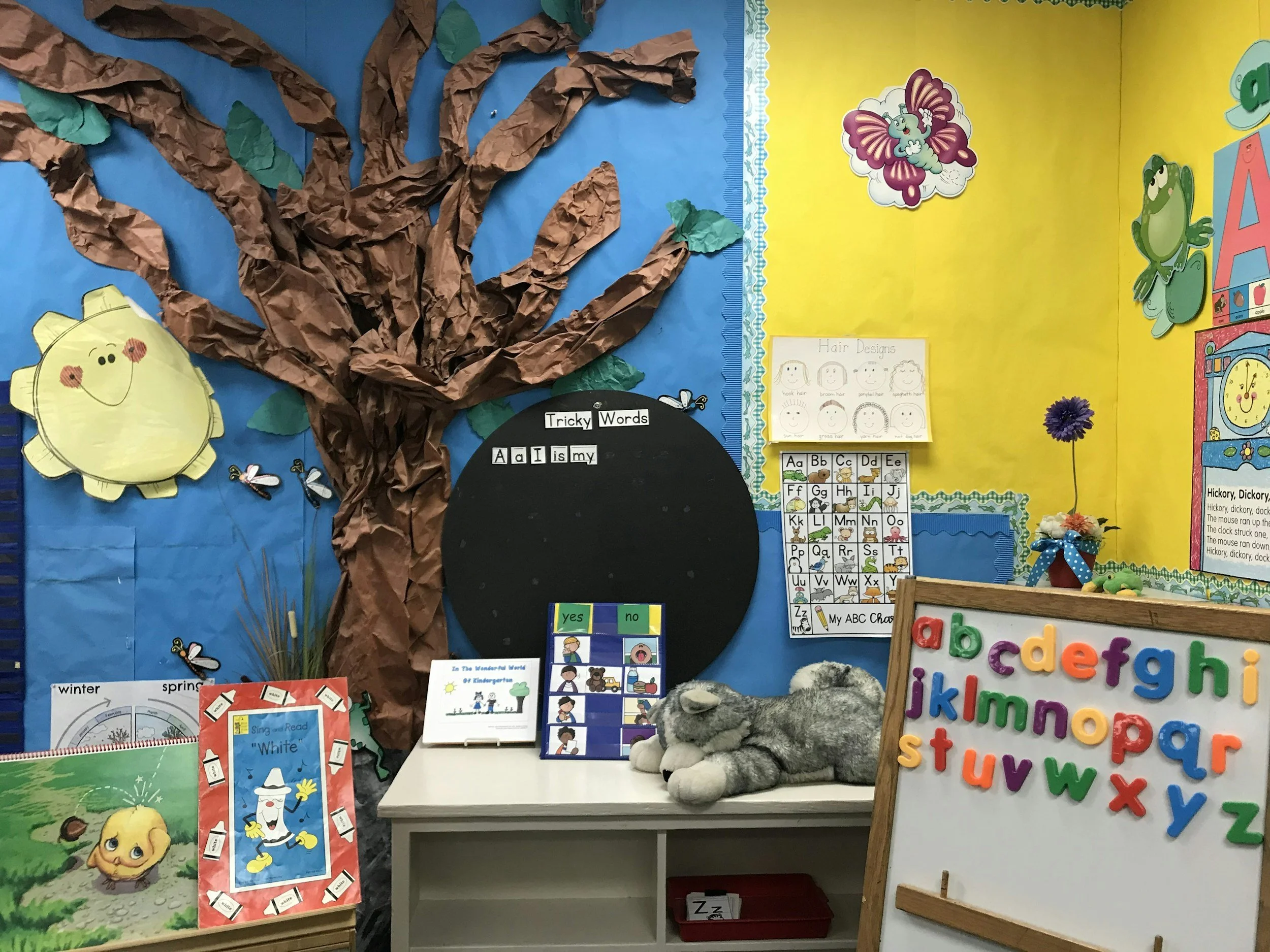
The physical environment of a preschool speaks volumes about its commitment to child development. Modern, age-appropriate facilities create a welcoming space that forms exploration and discovery. Outdoor play areas, sensory rooms, and creative studios like art studios can add another layer of enrichment for young learners. Pay attention to classroom designs and materials. Are the classroom spaces colorful, engaging spaces specifically for young learners? Well-equipped preschools will have toys, books, and activities that cater to various developmental needs while offering both physical safety and intellectual stimulation. Look out for schools that offer all these elements.
Focus on Social-Emotional Development
Preschool is a time for children to build social and emotional skills. When choosing a private school program for your preschooler, look for ones that provide structured lessons on kindness, empathy, problem-solving, and resilience. Such as conflict resolution techniques, cooperative group activities, or nurturing of friendships. Programs with mindfulness activities, emotional regulation techniques, or positive reinforcement strategies demonstrate their dedicated efforts toward helping develop strong interpersonal skills. Emotional intelligence has increasingly become an important factor for the long-term success of children.
Extracurricular Enrichment Opportunities
Although preschool programs primarily aim to build academic readiness and life skills in their pupils, extracurricular activities add depth to a child’s education. Music, art, dance, physical education, and early exposure to foreign languages can add variety and encourage creativity. Look for schools that offer a range of enrichment options. This not only ensures more holistic development processes but also gives children greater engagement during learning processes while developing their interests and confidence across multiple fields.
Parental Engagement and Communication
Parents are important partners in education, and any preschool should recognize and encourage this collaboration. Look for schools with open lines of communication between the staff and the families. Preschools that offer regular updates on the child's progress, welcome family involvement in both the classroom activities and community events, or host parent-teacher conferences, workshops, or volunteer opportunities to keep families actively involved with their child’s learning experience. Building community among families creates more supportive and inclusive environments.
Reputation and Accreditation
A private school preschool’s reputation can often give an accurate account of its quality and commitment to excellence. Read reviews from previous families who have experienced their programs. Online research combined with word-of-mouth referrals is a great way to give you an idea of what a program has to offer. Accreditation by credible accrediting bodies also plays an important role. Programs certified with them abide by stringent education, safety, and child development practices that give you assurances that their quality remains constant over time.
Flexibility and Practical Considerations
Although education quality should always take top priority, practical considerations such as location, scheduling, cost, and value must also be carefully taken into account. Finding a preschool that is easily accessible makes your family life much simpler. Inquire about their calendar regarding holidays, early dismissals, or extended care options. Tuition should also be examined to understand if there are additional fees, such as for materials, uniforms, enrichment programs, and more. You need to make sure that the preschool aligns with your family’s finances and educational expectations.
Health and Safety Policies
Making sure that your child is safe is always top priority. When choosing a school, make sure you inquire into its health and safety protocols, including cleanliness, allergy awareness, and emergency response plans. Preschools should have clear procedures in place for handling illness and sanitation routines. They should also have in place policies on the drop-off and pick-up procedures with security systems installed to guarantee every child is secure. These will all give the parents a lot of reassurance that not only will their children have an enjoyable preschool experience, but a safe one too.
Conclusion
Choosing a private school preschool is an investment in your child’s future that requires careful consideration of several aspects. From the curriculum design to the teacher qualifications and inclusivity protocols, every aspect plays a part in shaping the foundational years for your children. When you conduct proper research and pay close attention to detail, your family can choose an environment that encourages academic and social growth in your children while setting them on the path toward their future educational success.


